Archive
Journal launching soon — first dispatches from the Silk Road
We are preparing new stories about Polo, Battuta and Cook. Stay tuned.
From Marco Polo's Silk Road to Shackleton's ice, from Zheng He's treasure fleets to Amelia's sky — this is the living atlas of humanity's greatest journeys. Scroll. Get lost. Find yourself.
Merchants, navigators, scientists, rebels. Each portrait is a portal — trade winds, deserts, poles and abyss. These are not statues. They are routes you can still follow.
24 years to Cathay. The Travels that made Europe dream of the East and launched a thousand ships.
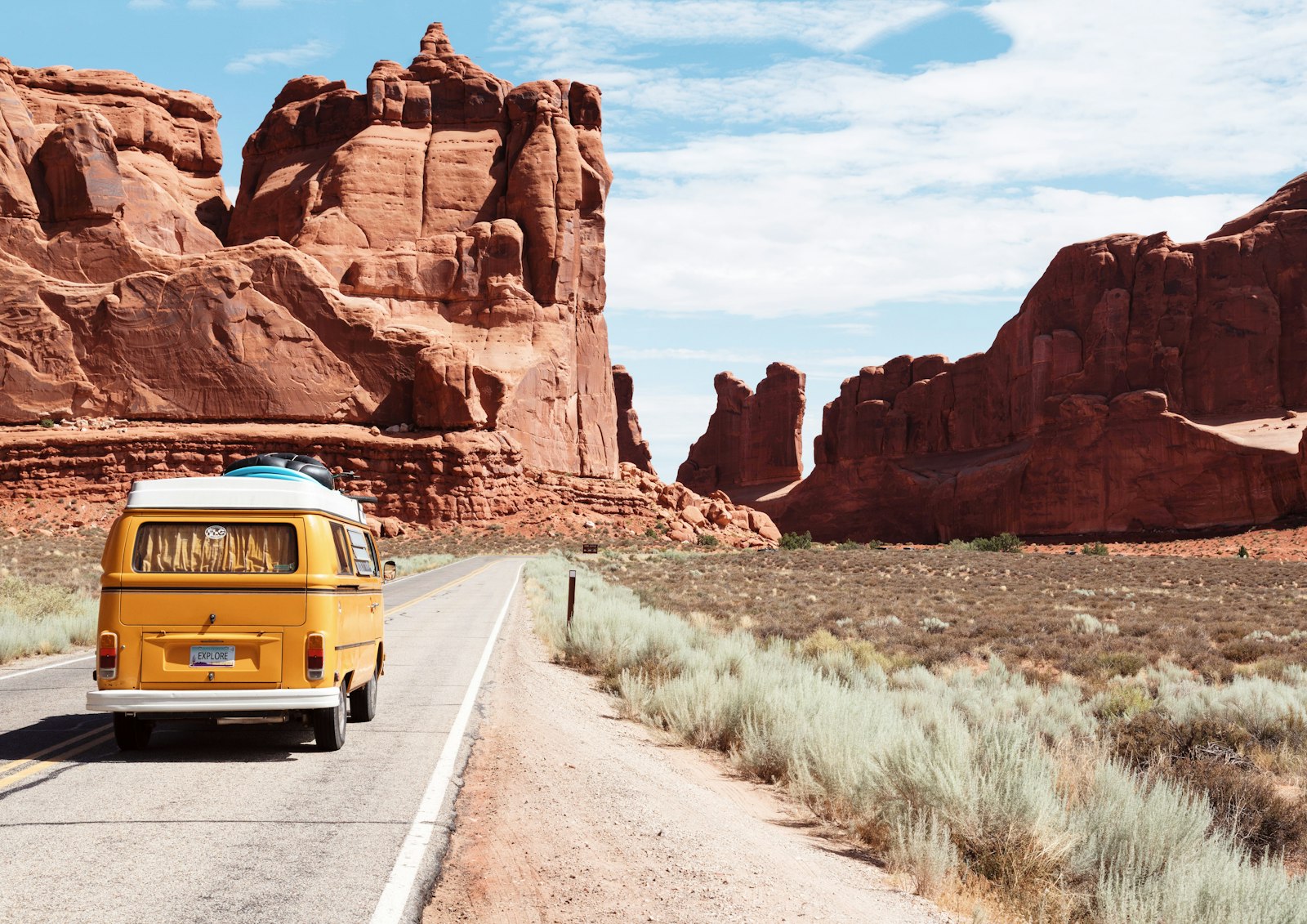
120,000 km across Africa to China. The greatest traveler of the Middle Ages, judge and storyteller.
Seven voyages, 300 ships, 28,000 men. Ming China's floating cities reached Africa decades before Europe.
Four crossings that linked two worlds forever — triumph and tragedy of the Age of Discovery.
First circumnavigation. 237 men sailed, 18 returned. The Pacific was named by this agony.
Mapped Newfoundland, New Zealand, Hawaii. Science aboard — astronomy, botany, cartography perfected.
Orinoco, Andes, Chimborazo. Invented ecology, isotherms, and the idea that everything is connected. Darwin called him the greatest scientist.
When his ship was crushed, he saved all 28 men with an 800-mile open-boat journey. Leadership in its purest form.
Silk Road to Kublai Khan's court. Returns 1295 with stories that reshape geography.
Nanjing to Malindi. Giraffes for the emperor, porcelain for Africa.
Columbus, Vespucci, Magellan-Elcano. World becomes round and connected.
Endeavour, Resolution. Transit of Venus, scurvy defeated, Australia charted.
Science replaces gold. Africa's heart, Amazon's lungs measured step by step.
Amundsen, Scott, Shackleton. Heroism written in frostbite and diaries.
Cousteau, Piccard, Earhart's legacy. From Mariana Trench to orbit — exploration never ends.
What did they eat? How did they navigate? We reconstructed routes, ships, kits and mistakes — so you can feel the salt and fear.
Barometers, mules, coca leaves and volcanic ash. How to climb 5,800m in 1802 with wool and courage.
40 days from Sijilmasa to Timbuktu. Salt as currency, stars as compass, hospitality as law.
Ice crush, Elephant Island, James Caird voyage. The greatest survival story ever documented.
No wind, rats eaten, scurvy. How Polynesian wayfinding could have saved them — and what we learn now.
FamousExplorers.net is an independent editorial archive born from a simple love: old maps, ship logs, and the people crazy enough to sail beyond them. We collect biographies, routes, artifacts and lessons — from Polo to modern oceanographers — and retell them for curious minds in 2026.
We are not a museum behind glass. We are a base camp: students prepare school projects here, travelers plan Silk Road trips, founders steal leadership lessons from Shackleton. Every profile is fact-checked, every map redrawn, every story written to inspire your own expedition — even if it's just across the street.
New finds, lost diaries, shipwrecks located, anniversaries and route guides. Click any card to open the full story.
We are preparing new stories about Polo, Battuta and Cook. Stay tuned.
What modern teams can learn from ice, hunger and hope.
Examining evidence, myths and porcelain clues.
There is no single answer. Polo connected worlds, Ibn Battuta traveled farthest, Zheng He commanded the largest fleets, Cook mapped most accurately, Humboldt explained nature, Shackleton led most nobly. We rank by impact, not fame.
Yes. Every biography includes dates, routes, achievements and controversies. Teachers can use our timelines and maps freely with credit to famousexplorers.net.
We cross-check ship logs, letters, museum collections and academic biographies. When sources disagree — like Columbus's birthplace — we show all versions.
Absolutely. We especially want more women, Arab, Chinese, Polynesian and African navigators — from Hatshepsut's Punt expedition to Bessie Coleman in the sky.